
Beta-Cell Dysfunction: The Overlooked Cause of Type 2 Diabetes, and How to Measure It

This blog post is about how to use a simple blood test to measure insulin sensitivity and beta cell function.
How to Prevent or Reverse Insulin Resistance

This blog post will help you figure out whether you are insulin resistant or exposed to major triggers of insulin resistance, understand the root causes of insulin resistance, and what you can actively do to prevent or reverse insulin resistance.
The Surprising Health Benefits of Dark Chocolate for Diabetes

In this blog post, we review the scientific evidence on the impact of dark chocolate, cocoa, and cocoa flavanols on insulin sensitivity, beta-cell function, glucose tolerance, and type 2 diabetes risk.
Do Carbs Cause Insulin Resistance?

A common claim on social media and in several nutrition books is that eating a high-carb diet causes insulin resistance. In this blog post, we review whether this claim is supported by scientific evidence.
Blood Sugar Spikes, Reactive Hypoglycemia, and How to Avoid Them: An Interview With Dr. Penny Figtree

A conversation with Penny Figtree MD about her personal experiences with blood sugar spikes and reactive hypoglycemia.
Are Blood Sugar Spikes Normal in Healthy People?
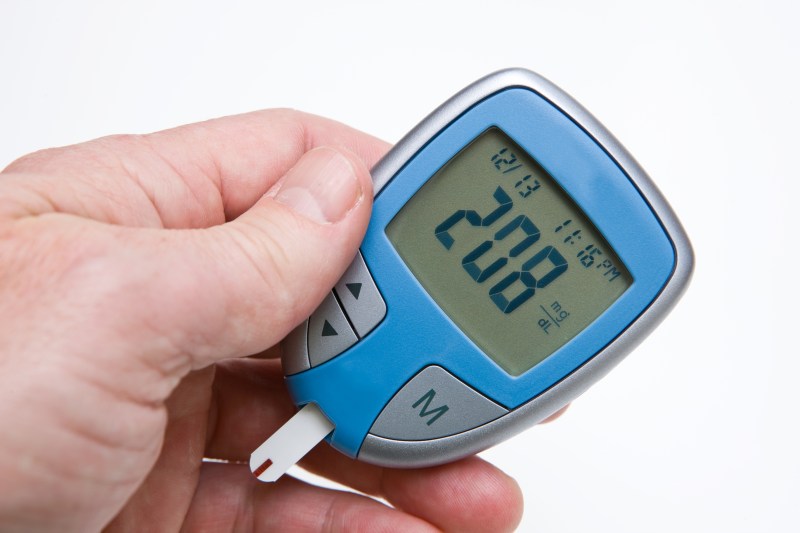
This blog post explores the question of whether regular blood sugar spikes exceeding 200 mg/dL in people with otherwise normal glucose tolerance are a sign of early glucose intolerance not captured by standardized clinical testing, or whether such spikes are the normal result of eating highly glycemic foods even in the healthiest people.
How To Use a Continuous Glucose Monitor for Maximum Benefit

Continuous glucose monitors, or CGMs, have become a very popular tool, both for people with diabetes and those who want to optimize their health. In this blog post, we are providing guidance on how best to use a CGM to maximize its health benefit.
Regulation of Blood Sugar

More than 1 billion people are affected by diabetes or prediabetes worldwide, and that number is estimated to increase by another 50% in the next few decades. In this blog post, we are discussing how our bodies regulate blood sugar levels, what goes wrong in this process when we develop diabetes, and how diabetes is clinically diagnosed.